
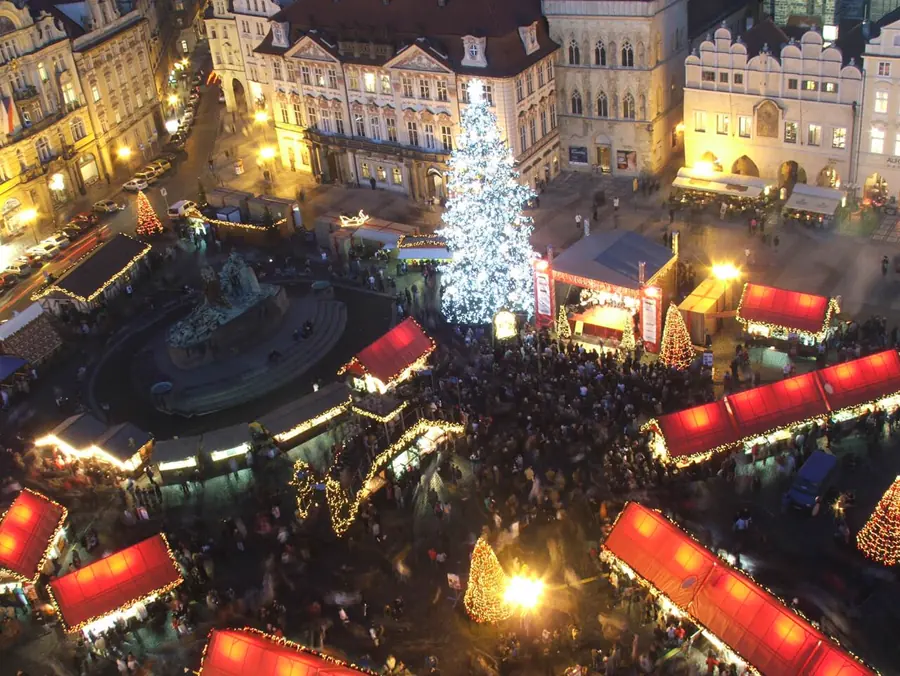
Quick answer: Europe’s most atmospheric Christmas markets are often the small ones: a medieval village in Catalonia, a slate-roofed hamlet in Serra da Estrela, or a cellar in Trentino. This guide covers Spain, Portugal, Italy and three bonus gems, with practical tips for booking from the UK.
Cite this page: Atravel.uk, “Beyond the Glühwein: Europe’s Most Enchanting Under-the-Radar Christmas Markets”, updated 12 November 2026. https://atravel.uk/hidden-gems/christmas-markets/
Tired of elbowing your way through the same old stalls in Cologne?
Somewhere between the queues for bratwurst and the third pop-up selling identical bobble hats, the magic can slip away. The good news is that it hasn’t gone anywhere. It has just moved to medieval villages, mountain hamlets and sleepy towns where the fairy lights are strung by the locals and the mulled wine comes with a chat.
This guide takes you to the unusual Christmas markets in Europe that rarely make the big lists. We start with Spain, Portugal and Italy, then finish with a few bonus gems further afield. For the big-name markets, see our Christmas markets guide.
Spain: fiestas, ferias and fairy-tale villages
Forget Madrid and Barcelona for a moment. Spain’s best festive moments happen in small places, with a feria in the square, a belén (nativity scene) in every church and a table groaning with turrón and polvorones. If you’re after hidden Christmas markets in Spain, start here. Our Spain city guides cover the bigger cities when you want to add one.
- Rupit (Catalonia): A medieval village of stone houses and wooden balconies, reached by a swaying footbridge. The market is small and intimate, and the whole place feels like a Christmas card come to life.
- Espinelves (Girona): Home to the Feria del Abeto (Fir Tree Fair) in the woods of the Montseny. Expect a properly traditional, woodsy atmosphere, with fresh-cut trees, local artesanía and hearty mountain food.
- Elda (Alicante): A genuinely local affair with only around 17 stalls. Come for handmade sweets, regional wines and the rare feeling of being the only visitor.
- San Sebastián (Basque Country): Not one market but several. Browse the stalls around the Plaza de la Constitución, then head to the neighbourhood markets in Gros and Antiguo, where locals do their festive shopping. Pair it with a glass of Basque sidra and a pintxos crawl.
Try: turrón in every flavour, polvorones, warm chestnuts and cider, and handmade nativity figures for a souvenir with a story.
Portugal: Atlantic charm and tradition
Portugal’s Christmas is warm, family-focused and refreshingly unfussy. Think woodsmoke in the mountains, sea air on the coast and vinho quente (Portuguese mulled wine) wherever you turn. Our favourite Portugal Christmas markets blend rugged and refined.
- Aldeia de Cabeça (Serra da Estrela): A slate-roofed mountain village and arguably the most authentic, least-known stop on this list. Come for stone lanes, local cheese and a real sense of stepping back in time.
- Porto (Serralves): For something more contemporary, the market at the Serralves museum and gardens has an artistic, design-led feel. It’s a good pick if you like your festive shopping with a touch of culture.
- Algarve (Loulé or Lagos): Want to dodge the British drizzle? A seaside Christmas market under blue skies has real appeal. Wander past tiled azulejos, sip something warm and enjoy the milder weather.
Try: filhós (fried festive pastries), vinho quente, local artesanato, and cheese and sausages from the Serra da Estrela.
Italy: medieval villages and winter dolce vita
Italy does Christmas with style. The mercatini di Natale here are often tucked into old squares, cellars and castle courtyards, and the food is the real draw. Looking for Italy Christmas markets off the beaten path? Head north.
- Aosta (Aosta Valley): The Marché Vert Noël sets its chalets among Roman ruins, with the Alps as a backdrop. It’s widely rated among Europe’s best lesser-known markets, and the setting is unforgettable.
- Canale di Tenno (Trentino): A beautifully preserved borgo where stalls hide in old cellars and courtyards. It feels like discovering a secret.
- Asti (Piedmont): A fairy-tale atmosphere and superb Piedmontese cooking. Save room for local dolci, and a glass of something sparkling.
Try: vin brulé, fresh panettone, regional artigianato and Piedmontese specialities.
Beyond the big three: other hidden gems
- Košice (Slovakia): A pretty eastern European old town with a storybook market at its heart, and prices that are kind on the wallet.
- Rovinj (Croatia): Mediterranean charm on the Istrian coast, with cobbled lanes, harbour views and festive stalls by the sea.
- Valkenburg (Netherlands): Famous for its cave Christmas markets, set in underground tunnels. It’s quirky and atmospheric, and you won’t find anything else quite like it.
Practical tips for the British traveller
Flights: Budget airlines serve plenty of these regions from the UK. Look for deals such as flights from London Gatwick to Turin from around £100 return, and Aosta is an easy trip from Turin. Compare flights to Italy and Portugal before you commit to dates.
Budget: Smaller markets are far kinder on the purse. In Aosta, for instance, you can find mulled wine from about £2.55. Prices are examples, not quotes — check live prices before you book.
Timing: Go midweek if you can. Weekends are busier even at the quiet spots, and you’ll get more time with the stallholders.
Check dates: Small markets often run on limited days and change from year to year, so confirm opening dates with the local tourist office before you book.
The magic is in the discovery
The best Christmas markets aren’t always the biggest or the best known. They’re the ones where you stumble on a candlelit cellar, a mountain village or a plate of something you can’t pronounce, and wouldn’t swap it for anything.
Ready to swap the crowds for charm? Find your perfect festive escape with Atravel.uk. Search flights and accommodation for your next UK-to-Europe Christmas market break.